
Floyd County Court Record Requests
Know which office keeps the file before you ask. The Floyd County District Clerk holds the 110th District Court civil, family, criminal, and child-protection files. MaryJane Cisneros runs the office at 105 South Main Street, Room 207, in Floydada. Phone (806) 983-4923, fax (806) 983-4938, email mjcisneros@co.floyd.tx.us. Constitutional County Court records go through the County Clerk instead. JP and municipal files stay with those courts.
Electronic coverage sometimes turns up in re:SearchTX. For a definitive file check, an old record, a certified copy, or anything missing online, the local office remains the better source. The county posts no public-terminal policy and no one-size-fits-all mail workflow, so call before you visit or mail a docket request.
- Name the court and give the cause number.
- State the exact pleading, order, judgment, or docket requested.
- Ask whether a plain or certified copy meets the need.
- Confirm the fee, payment method, delivery format, and timing.
Three Floyd Record Products
Three different products come out of a Floyd County clerk's office. The docket is the chronological register of events in a case. A document is the paper behind an entry. It can be a pleading, exhibit, order, return, notice, or judgment. A certified copy adds the clerk's authentication to a plain copy. Asking for "everything" can inflate the bill. The request can also slow the search. A single file-marked order would answer the question.
| Product | What it supplies | Best request detail |
|---|---|---|
| Docket sheet | Event and filing sequence | Court and cause number |
| Plain document | Readable copy without certification | Document name and date |
| Certified copy | Clerk-authenticated reproduction | Exact item and intended requirement |
Check with the receiving office on the form it requires. Skip the certification fee when a plain electronic copy will do.
Kinds of Court Records
A district case file can hold petitions, answers, motions, responses, charging instruments, service papers, exhibits, proposed orders, signed orders, judgments, and notices of appeal. Transcripts are different. A reporter's record sits apart from the clerk's file. The OCA district verification lists a court reporter. But ordering a transcript means following the reporter's or court coordinator's procedure.
County Court files come from the County Clerk. JP files may include small claims, debt claims, evictions, or traffic cases within that court's authority. Floydada and Lockney municipal courts keep their own city citation and ordinance records. Federal cases go through PACER and the Northern District of Texas, not a county clerk. The official Texas local-rules system adds one more records context.
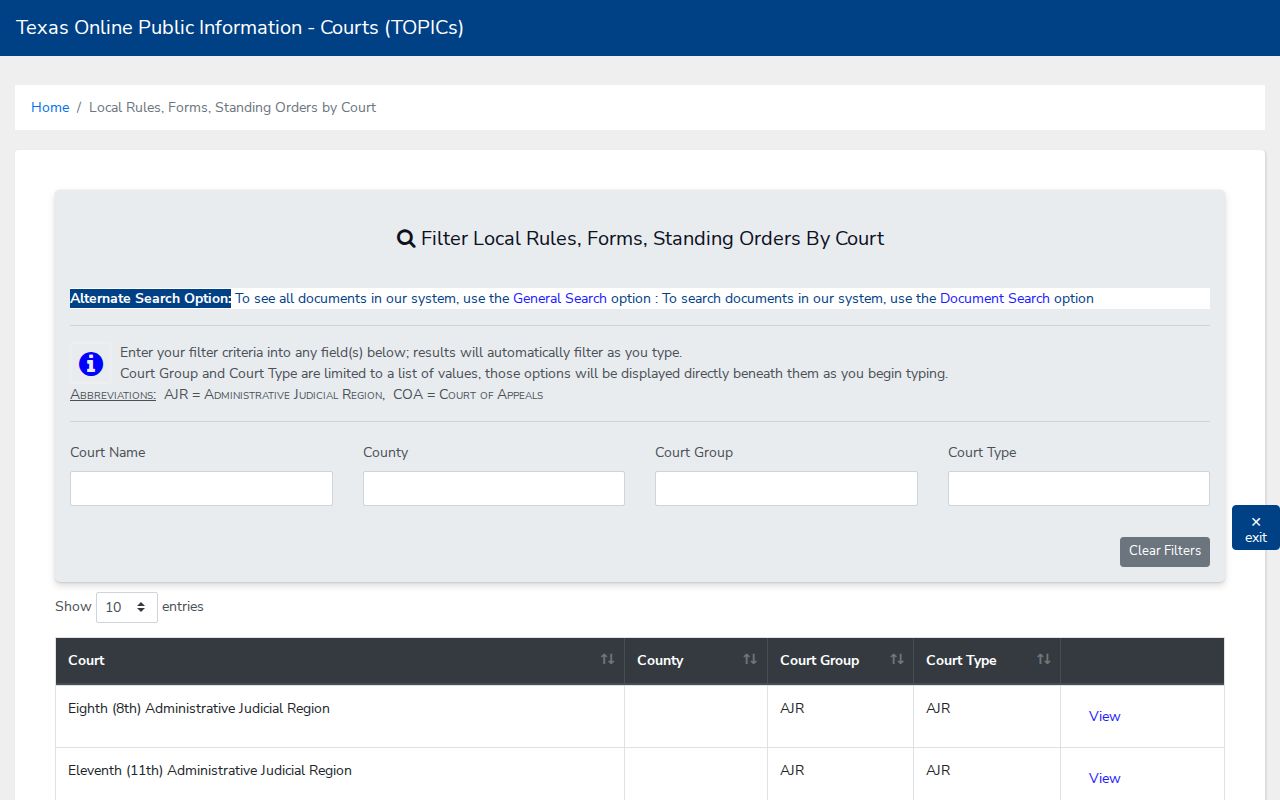
Floyd County PDF Filing Trail
The Floyd District Clerk's e-filing FAQ explains a detail worth knowing when you read a docket. A lead document plus its attachments works like a paper pleading with exhibits. The system may merge them into one PDF. File-marked documents go up as separate lead documents. So one docket line can point to one PDF. It may contain the main filing and its exhibits.
Proposed orders carry their own "Proposed Order" lead-document code. Filed alongside a motion or petition, they stay in the same envelope and go to the judge before acceptance. Once a document is accepted, it cannot be altered or given another attachment, per the FAQ. The filer must amend and resubmit, which can add a further docket entry.
Court Records: What They Contain
Exact fields vary by case. The statewide District Clerk Manual offers a field model without using private litigant examples. It lists a file number, filing date, court, parties, attorneys, case nature, filed instruments, motions and rulings, orders, judgments, costs, and related references.
| Cause number | The court’s file identifier, including a meaningful local suffix. |
|---|---|
| Filed date | When the clerk recorded the item. |
| Instrument | The pleading, motion, notice, return, or other filed item. |
| Setting | A hearing event, subject to reset or cancellation. |
| Order or judgment | The court’s signed direction or ruling. |
| Certification | Authentication added by the clerk when requested and allowed. |
Read the order itself for its effect. Docket shorthand and annual statistics are no substitute for filed language.
County Copy Form Has Limits
The Floyd County Clerk copy application covers marriage licenses and deed records, with fields for names, dates, volume and page details, requested documents, applicant data, and delivery information. It is not a District Clerk pleading request form. Treat it as a County Clerk tool, not a universal court-record application.
The same page links an external Online Records Search. Its coverage, registration, and pricing are unconfirmed. Do not assume it covers constitutional County Court pleadings.
Copy Fees and Certification
Floyd County posts no complete fee schedule covering all its courts. Texas Government Code Chapter 51 sets out district-clerk search, copy, and certification provisions, and the exact request category and current subsection drive the total. Get a written quote from the right clerk before paying.
| Request | Published amount | Important limit |
|---|---|---|
| District pleading copy | Confirm with District Clerk | No complete local schedule found |
| Certified district document | Confirm with District Clerk | Statutory category depends on request |
| Marriage license copy | $21 | County Clerk form, not a court pleading |
| Certified deed copy | $6 first page; $1 each added page | Deed record only |
| Noncertified deed | $1 per page | Deed record only |
re:SearchTX may sell document access for covered records. Check its live terms instead of an old page-price reference. A clerk's quoted total can also hinge on page count, certification, search work, and delivery, so pin down the exact record first. Keep the clerk's response with your request.
Ask for the File-Marked Order
A focused request beats asking for "all records." Give the cause number in Floyd's format, such as 10731 with no comma or hyphen. Then name the item you want. That could be a file-marked order, judgment, return of service, or something else. Include its approximate date. Note whether you also need an attachment or exhibit. The official annual statistics page shows why aggregate data cannot fill that role.
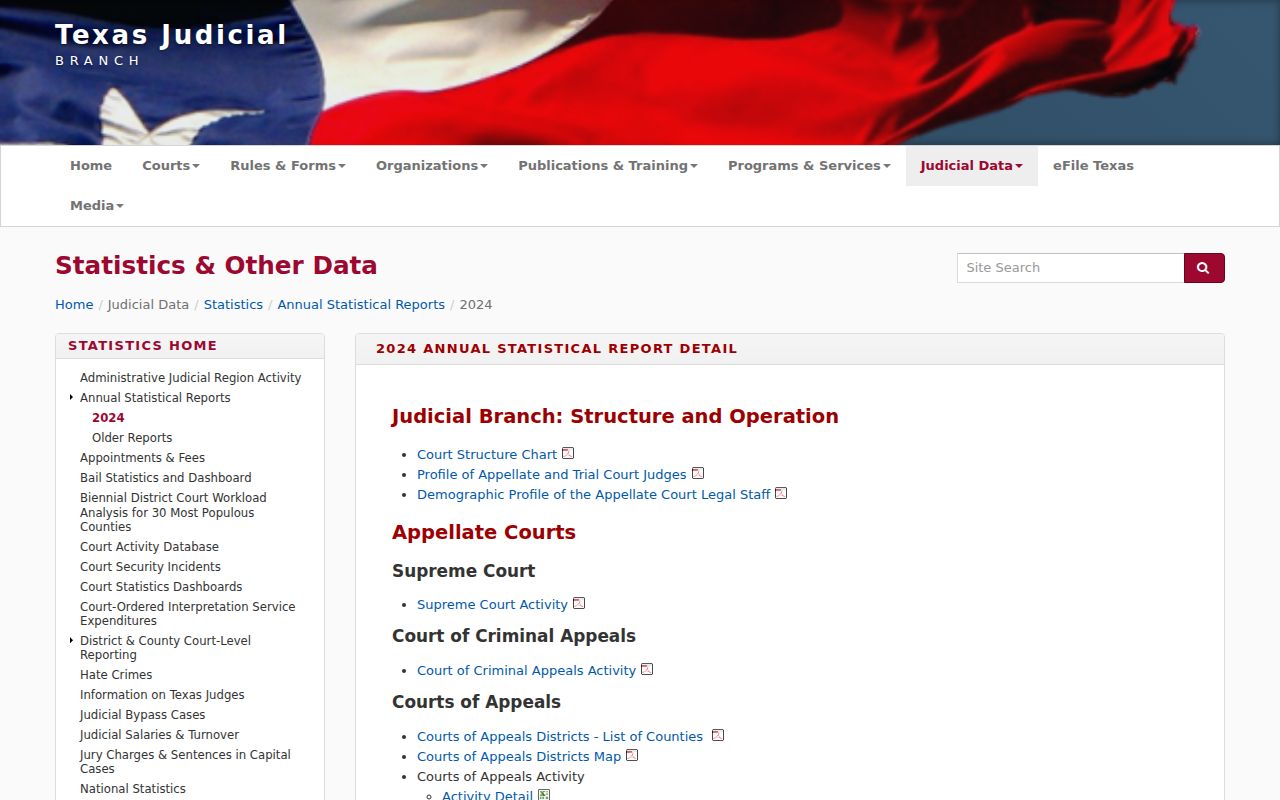
When a known filing is absent online, ask the District Clerk whether it sits inside a combined lead-document PDF, is restricted, or sits outside the statewide layer.
Access Rules for Court Records
Getting court files in Texas works differently from a standard open-records request. Courts sit outside the Texas Public Information Act for the most part. The Judicial Branch open-records policy lays out this split. Under it, Texas Rule of Judicial Administration 12 covers defined judicial records. Adjudicative court records answer to the court rules and law that govern them. Sealing in civil cases falls under Rule 76a, so a docket entry alone will not tell you whether a filing was hidden by order.
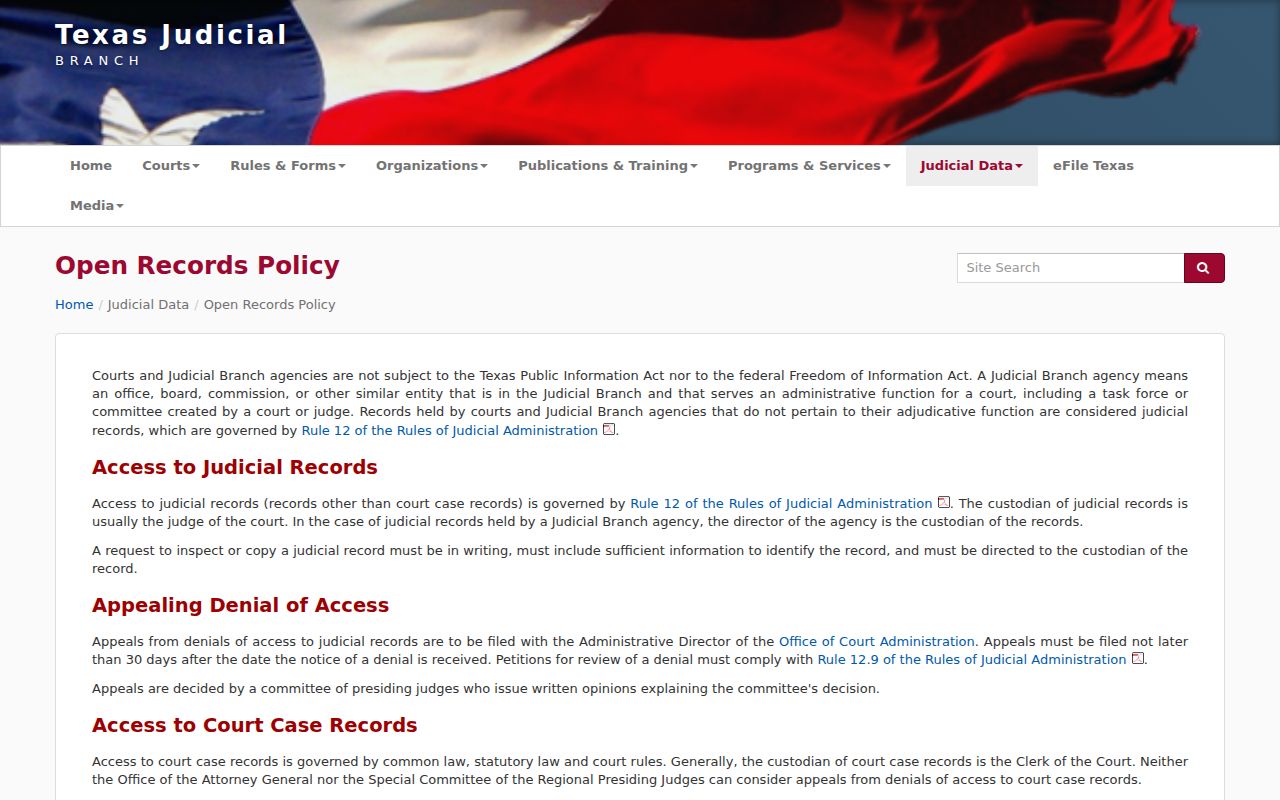
Protected records: juvenile files, sealed material, and confidential protective-order details may be withheld or redacted under Texas law.
Floyd Attachments May Stay Closed
Finding a Floyd County docket does not mean every attachment comes with it. Family Code Chapter 58 restricts juvenile information outright. Protective-order rules can shield addresses, phone numbers, and locations. A sealing order in a civil case may close one document. Yet the basic docket metadata can stay open for anyone to read. So ask the clerk's office which part can actually be released. A missing image does not prove the whole case is sealed. The gap could come from electronic coverage limits. It could also be a combined PDF, redaction, or a plain paper file. Start with the Floyd County docket search process. Then ask for the exact public document by name.
Floyd County Clerk Contacts
For records of the 110th District Court, the District Clerk is the place to start. The office lists a phone, email, fax, and a Room 207 courthouse address. That gives you several ways in. Same-day replies and electronic delivery are not promised, so plan your request accordingly. The County Clerk works out of the same courthouse. Its general line is (806) 983-4905 and its fax is (806) 983-4939.
Floyd County District Clerk
105 South Main Street, Room 207
Floydada, TX 79235
(806) 983-4923
District case dockets, filings, orders, and copy questions.
Floyd County Clerk
105 South Main Street
Floydada, TX 79235
(806) 983-4905
Constitutional County Court and county recording functions.
Tickets and filings from a justice of the peace or municipal court belong with the court that issued them. Call ahead for hours and mailing instructions before you travel or send payment.
Floyd Court Rules and Forms
The state's TOPICs hub is the official starting point. It collects local rules, forms, standing orders, citations and notices, and protective orders. It sorts these record categories statewide rather than by county. The hub lists no Floyd County-specific materials. Search it again. Never treat any form or order as controlling in a Floyd County court without checking.
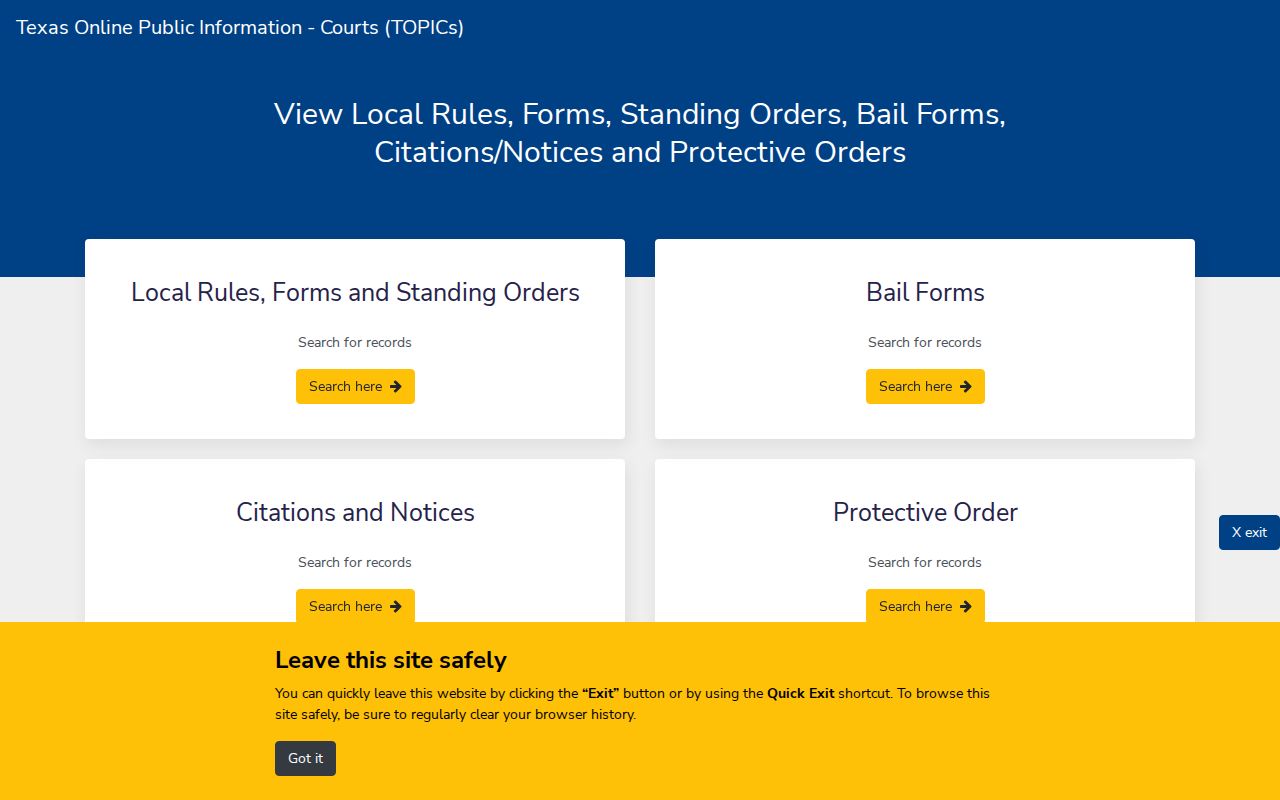
Check any result against the court and its effective date. A statewide form does not bind every Floyd County courtroom.